Understanding the Pathogen: History, Evolution, and the Current Reality
When people hear the word “Ebola,” their minds often flash back to the terrifying headlines of the past. The ebola crisis 2014 remains etched in global memory as the most devastating ebola break out in human history. But a critical question remains for public health experts and communities alike: is ebola still around?
The short answer is yes. The ebola virus today remains a persistent public health threat, and understanding its trajectory—from the catastrophic ebola epidemics of the past to the ebola virus recent news—is essential to preventing future global emergencies.
The Shadow of 2014: A Turning Point in Global Health
To understand the ebola current status, we have to look back at the watershed moment of ebola in 2014. What began as a small cluster of cases grew into the horrific ebola 2014 outbreak, entirely reshaping how the world views infectious diseases.
- December
2013.First case emerges in Meliandou, Guinea
- 2.
[March 2014] WHO officially declares an Ebola outbreak - 3.
[2014–2016] Rapid cross-border spread creates a massive regional crisis
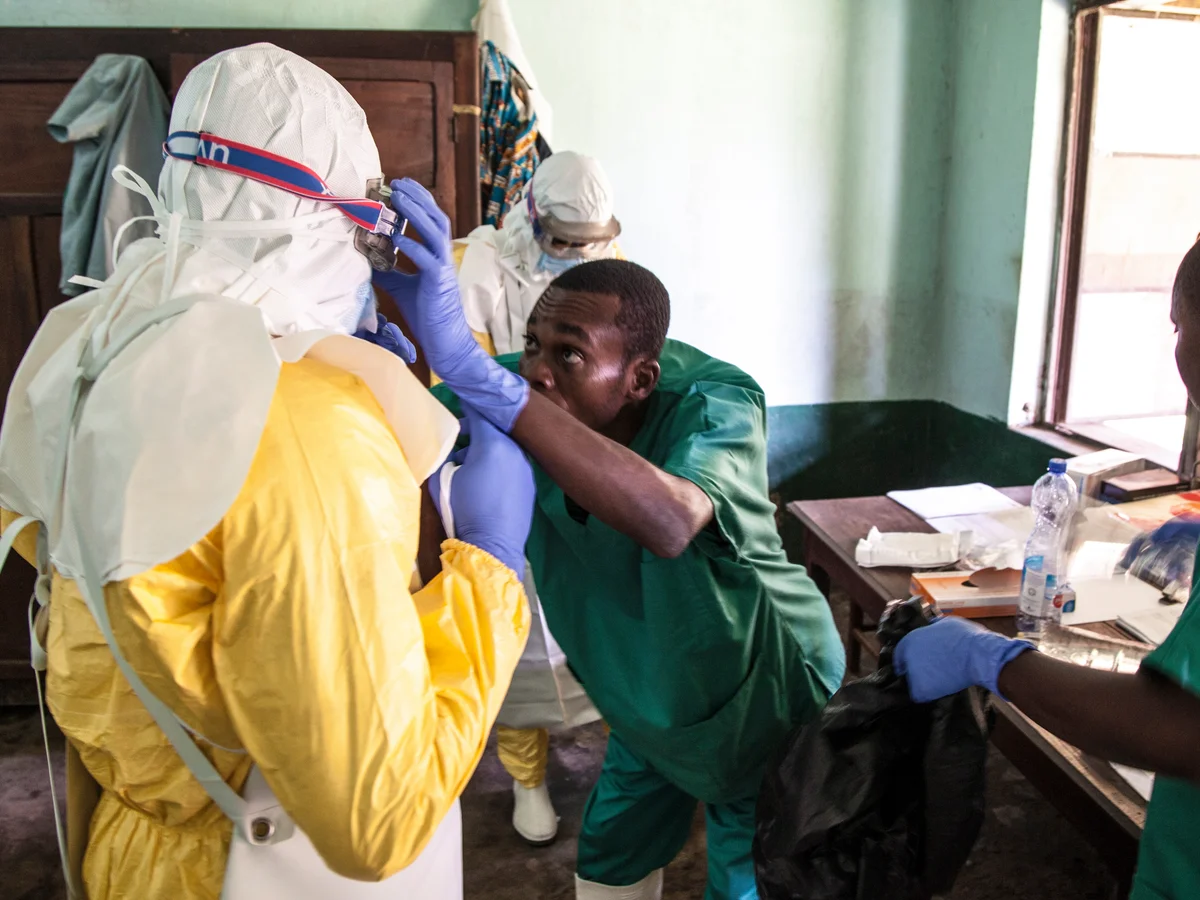
Unlike smaller, localized outbreaks of the past, the ebola out breake spread rapidly through highly populated urban areas. It began as an ebola in guinea crisis before crossing borders to fuel a devastating ebola outbreak in liberia and tearing through Sierra Leone. By the time the ebola outbreak who emergency declaration was lifted years later, more than 11,300 lives had been lost. It proved that a localized health crisis could rapidly become a global security threat.
Shift in Geography: From West to East Africa
Historically, major outbreaks fluctuated across different regions of the continent. While the 2014 disaster was concentrated in West Africa, recent years have shifted focus toward ebola east africa and Central Africa—specifically the Democratic Republic of the Congo (DRC) and Uganda.
When tracking ebola cases in africa, the virus has shown a stubborn refusal to disappear. Instead, it relies on animal reservoirs (like fruit bats) to spill over into human populations when conditions align.
| Metric | West Africa Crisis (2014–2016) | Recent Central/East Africa Waves |
| Primary Countries | Guinea, Liberia, Sierra Leone | DRC, Uganda |
| Primary Viral Strain | Zaire ebolavirus | Zaire, Sudan, and Bundibugyo strains |
| Transmission Dynamics | Dense urban hubs & major cities | Forested borders, conflict zones, and transit corridors |
The Ongoing Battle: 2021 to the Present Day
Following the major disasters of the mid-2010s, smaller, shorter waves continued to emerge. Public health tracking noted a distinct cluster of ebola cases 2021 when a resurgence struck West Africa yet again.
The ebola virus cases that year led to a swift ebola response in the region to avoid a repeat of history. Though health workers contained it much faster than in 2014, the ebola deaths 2021 served as a stark reminder that complacency is deadly. In fact, just as West Africa stabilized, an outbreak of the Sudan strain struck Uganda later the next year, reinforcing that the ebola status requires constant vigilance.
Tracking the Ebola Virus Update: The Present Situation
If you check the ebola outbreak news or look up ebola latest news today, you will find that the virus is actively demanding global attention. In mid-May, the World Health Organization declared a new Public Health Emergency of International Concern (PHEIC).
An ebola outbreak new cases wave caused by the Bundibugyo virus strain is currently spreading along the border corridor between the DRC and Uganda.
   DRC (Ituri & Kivu Provinces)  ──────►  Uganda (Kampala / Importations)
   [~676 Confirmed Cases]                  [~19 Confirmed Cases]
According to the latest ebola outbreak update, there are more than 690 total confirmed ebola new cases, with the vast majority concentrated in the DRC’s Ituri province. This particular ebola last outbreak variant is highly concerning because the widely used Ervebo vaccine, which effectively targets the Zaire strain, does not protect against the Bundibugyo strain. As a result, the international community is racing to fast-track clinical trials for new candidate vaccines.
The Power of Preparedness: Charity and Science
While the emergence of an ebola new wave is alarming, the global capability to fight back has fundamentally changed since the tragic days of ebola sierra leone 2021 and the 2014 crisis.
Today’s defensive network relies heavily on a dual-pronged approach:
- Sustained Funding: International ebola charity organizations, non-governmental organizations (NGOs), and groups like Doctors Without Borders (MSF) work alongside local ministries of health to maintain community trust, distribute food to isolated families, and deploy specialized isolation clinics.
- Rapid Isolation and Contact Tracing: Finding exposures quickly keeps local outbreaks from ballooning into regional disasters.
The fight against Ebola is far from over, but the world is no longer defenseless. By supporting ongoing research, strengthening healthcare systems in vulnerable regions, and monitoring every ebola virus update, global health partners are turning a terrifying existential threat into a manageable, containable disease.
Mechanics of Infection: Transmission and Clinical Symptoms
To effectively combat Ebola, public health teams must understand exactly how the virus moves through a population and how it affects the human body. Because the virus is highly lethal but not airborne, containment heavily relies on breaking the chain of physical contact.
How the Virus Spreads
Ebola is introduced into the human population through close contact with the blood, secretions, organs, or other bodily fluids of infected animals (such as fruit bats, chimpanzees, or forest antelopes). Once a human is infected, person-to-person transmission occurs via:
- Direct Contact: Touching the blood or bodily fluids (sweat, saliva, vomit, urine, semen) of an infected person who is symptomatic or has died.
- Fomites: Contact with surfaces, clothing, or bedding contaminated with these fluids.
- Burial Rituals: Traditional funerary practices that involve direct contact with the body of a deceased Ebola victim are a major driver of community outbreaks.
[Animal Reservoir] ──(Spillover)──► [Index Human Case] ──(Direct Fluid Contact)──► [Community Spread]
Clinical Progression of Symptoms
Ebola virus disease (EVD) typically progresses in two distinct clinical phases following an incubation period of 2 to 21 days. An infected person is not contagious until they begin showing symptoms.
       [Days 2–21] Incubation Period (Asymptomatic, Not Contagious)
            │
            ▼
       [Dry Phase] Sudden fever, intense weakness, muscle pain, headache, sore throat
            │
            ▼
       [Wet Phase] Vomiting, diarrhea, rash, impaired kidney/liver function
            │
            ▼
   [Advanced Phase] Internal and external bleeding (bleeding gums, blood in stool/vomit)
The transition from the “dry phase” to the “wet phase” is incredibly dangerous for caregivers, as the massive volume of highly infectious fluids drastically escalates the risk of transmission. Death, if it occurs, is typically driven by severe dehydration, electrolyte imbalances, and multi-organ failure rather than blood loss alone.